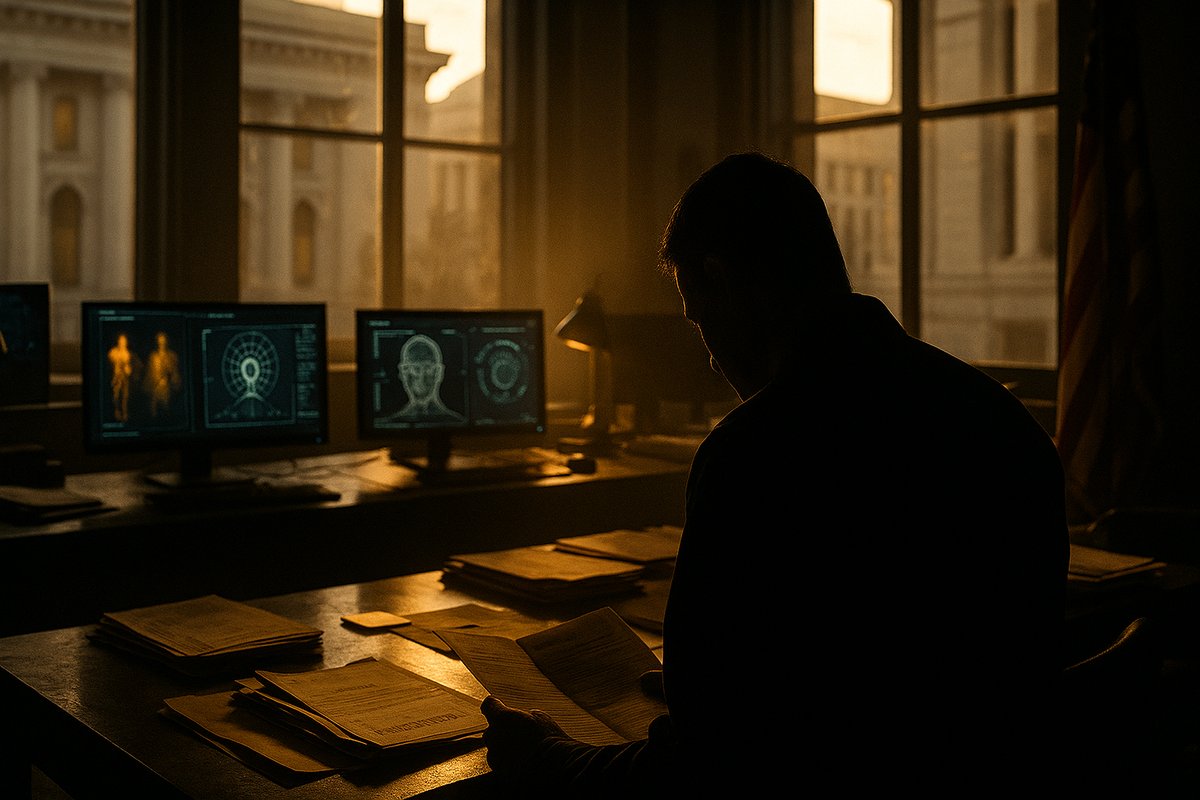
A story is gaining traction in tech and digital activism circles. The FBI is building surveillance apparatus to track critics of artificial intelligence. More than a thousand leaked pages from the FBI and the Department of Homeland Security confirm the existence of a category called anti-tech extremism. The headlines write themselves. The image is powerful: the U.S. government protecting AI infrastructure and turning dissent into a matter of national security.
That image isn't entirely false. It's just incomplete in ways that matter.
The documents are real. The category exists. The FBI and DHS monitor groups that oppose tech infrastructure, including data centers and AI expansion projects. This isn't speculation—it comes from bureaucratic records. When a technology gets defined as strategic, organizations build structures to watch it. That's how these dynamics work.
The narrative feels solid because it rests on verifiable historical patterns. The FBI has turned legitimate movements into security threats for decades. It infiltrated civil rights campaigns, environmental causes, and anti-war efforts. Remembering this isn't paranoia—it's recognizing documented trends. When Capitol Police admit they have no concrete threats against Congress but keep monitoring anyway, the pattern feels familiar to anyone who's reviewed last century's intelligence abuses.
Organizations tend to protect whatever gives them power. AI functions as economic and political infrastructure. That the world's most powerful security apparatus would have an interest in shielding that foundation from organized criticism doesn't require conspiracy theories—just look at who benefits. The connections between AI companies and defense entities explain how critics stop being mere tech dissidents. In institutional logic, they become questioners of strategic infrastructure.
The details, however, change the picture. The monitoring focuses on domestic extremism within the United States. It doesn't track criticism published from Mexico City, Buenos Aires, or anywhere else outside U.S. territory. The design targets organized protests, direct actions, and local physical activism. This geographic distinction determines who actually faces risk. Blending legitimate fear with imagined reach produces more paralysis than clarity.
From Mexico, these dynamics look different. Activists who question AI, researchers who analyze algorithmic risks, and journalists who document social impacts don't register on these categories' radar. The structure has specific borders. Confusing its real scope with a global one doesn't sharpen the analysis—it distorts it.
Another finding complicates the story. Capitol Police acknowledged having no documented threats from anti-tech groups against Congress. This fact cuts both ways. It confirms that the surveillance is preventive and speculative, which echoes the worst historical tendencies. But it also undermines the idea of massive, effective repression. Without visible arrests or prosecutions, the apparatus exists more as infrastructure for potential control than as an active operation.
That distinction changes what should be done about it. Security institutions expand monitoring categories based on available resources, not concrete threats. The leaked documents reveal growing bureaucracy. That's different from a coordinated silencing campaign, even though the risk of abuse remains.
Surveillance produces effects even when it never leads to arrests. Many people choose silence when they sense their criticism might land them on some list. Self-censorship is more efficient than open repression. In that sense, the mere public existence of these categories already serves a deterrent function.
There's a detail rarely mentioned. The anti-tech extremism category didn't originate with AI. It traces back to monitoring groups that attacked labs and physical facilities in the name of environmental and animal rights causes. What changed was the definition of what counts as critical infrastructure. Before, it was animal research labs. Now it's data centers. The FBI adapted an existing tool to new priorities. This complicates the debate: it's not just about AI, but about what we as a society decide deserves state protection, and what forms of dissent we're willing to tolerate.
I still don't have a clear answer for how to balance these tensions without falling into bureaucratic overreach or naivety. I keep digging into this because it reveals broader dynamics of power and self-censorship.
What do we as a society decide is worth watching, and what kinds of criticism are we willing to defend?
Sources:
1. Leaked FBI and DHS documents on domestic extremism categories (available via FOIA requests and reports from organizations like the Electronic Frontier Foundation)
2. Church Committee Reports (1975-1976) — U.S. Senate investigation into COINTELPRO and domestic intelligence abuses
3. FBI Domestic Terrorism Operations Unit — historical categories for eco-terrorism and animal liberation groups (public Department of Justice records)
4. Capitol Police Congressional Threat Assessment Reports — public statements on documented threats
5. Electronic Frontier Foundation — analysis of surveillance of environmental and tech movements in the U.S.