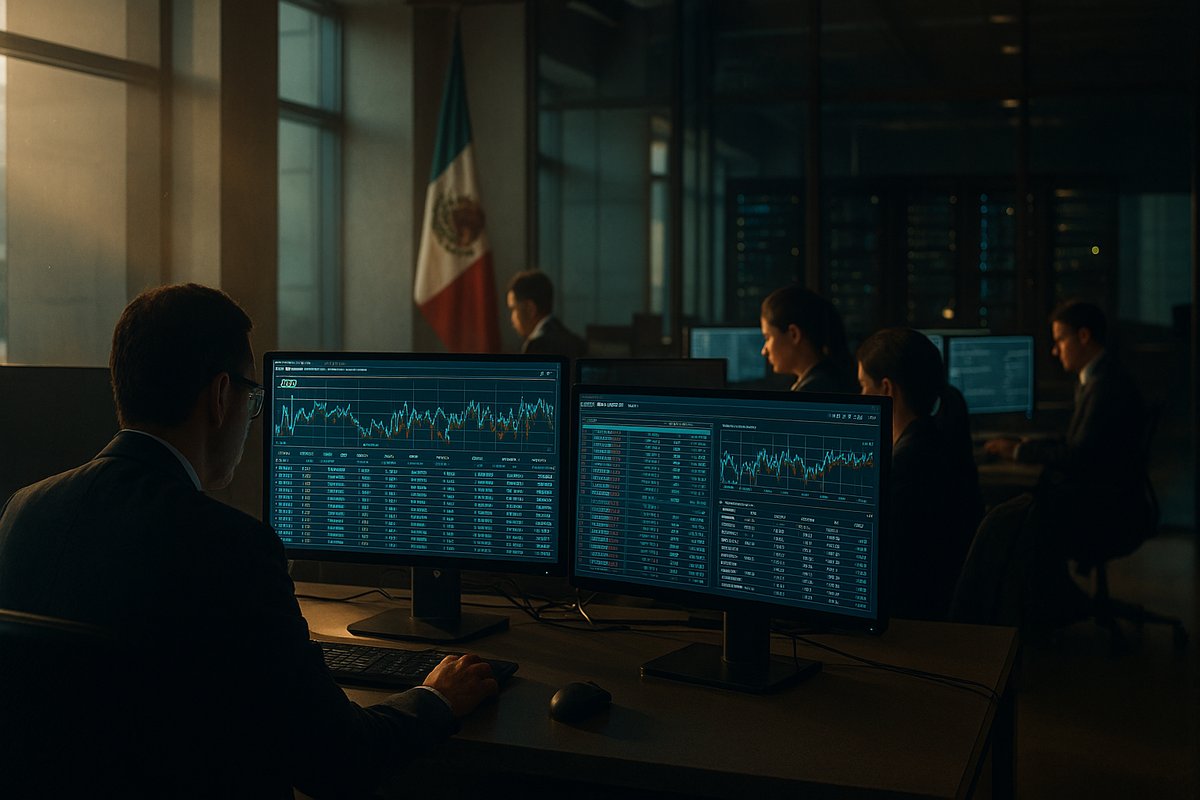
Mexico isn't the first to do this. Worth noting upfront, because the usual narrative—the SAT modernizing, the tax authority getting smarter, technology driving collection—might suggest a purely local idea, a Mexican experiment. In reality, it's part of a global shift in the dynamic between the State and the taxpayer, a process that's been brewing elsewhere for some time and that Mexico is now adopting decisively for 2026.
In the European Union, for example, tax data is cross-checked between nations using automated systems. Brazil pioneered this in Latin America with its SPED, a digital bookkeeping system that has monitored transactions electronically for years. India transformed its GST with automatic validations between suppliers and customers. Portugal, Spain, and Chile already require electronic invoicing with real-time oversight. The common thread is clear: governments under pressure to collect more, without expanding bureaucracies, turn to AI and data-crossing as an efficient path. Mexico is joining late, but with enthusiasm.
By 2026, the SAT is leaving behind audits as isolated events—visits, manual reviews, discussions—in favor of uninterrupted surveillance. It cross-references issued and received CFDIs, payroll, monthly and annual returns, bank movements, dealings with suppliers and customers, foreign trade, and withholdings. Any inconsistency triggers an algorithmic alert, with no initial human intervention. Detection is mechanical. The repercussions, however, are personal.
It's not just the technology that's evolving. The essence of accountability is changing. Before, the authority had to prove wrongdoing after detecting suspicion. Now the algorithm flags a gap and forces the taxpayer to explain it. It presumes irregularity until proven otherwise. In my experience with complex systems, this inverts dynamics that should balance power and the individual. How does someone with limited resources respond to that pressure?
Automatic deduction rejections in 2026 cover payments made with third-party cards or cash, expenses that look personal rather than business-related—restaurant meals, travel, gasoline that seems excessive to the algorithm—invoices from firms on lists of simulated operations, and outright non-deductibles: clothing, grocery purchases, gym memberships, personal leisure, fines. The law already prohibited these. What's new is the tireless detection, with no preamble or advance calls.
Precise sanctions: from 2,050 to 50,710 pesos for errors in filings or invalid deductions, plus taxes owed with surcharges and interest. In serious fraud cases—fake invoices, simulations, shell operations—it escalates to criminal charges, with sentences of three months to nine years in prison. Physical visits still happen, but only for high-risk cases already flagged digitally. Auditors now arrive equipped to record video, audio, and photos, per a recent DOF publication. They're not looking for problems. They're confirming them.
This echoes patterns I've observed in public administration: cash-strapped states tighten collection without inflating operating costs. It's not malice, but institutional logic. Mexico, with low tax pressure by OECD standards and a wide collection gap, responds this way in a context of tepid growth. Automation closes that gap. But at what cost to the most vulnerable?
I think of a small workshop I came across in some past context. The owner, with basic bookkeeping, faced an alert over a questionable invoice from an honest supplier. He responded in time, but the stress was real. Systems like this democratize detection, not defense. Mid-sized companies with advisors navigate it fine. Small ones, with spreadsheets and part-time accountants, struggle just the same. That inequality isn't a bug. It's a feature of regulations that grow faster than the capacity to comply with them.
I'm not defending tax evasion. Networks of fake and ghost invoices have done real damage in Mexico. Automated tools to hunt them down are a good thing. The catch is that the same net flags the doctor who deducted a bit of extra gasoline, the freelancer paying with legitimate cash, or the corner store accidentally linked to a listed supplier. AI doesn't judge intent.
What's coming in 2026 is valid and necessary. It invites a conversation about balance. Countries like Brazil calibrated SPED after years of adjustments to reduce litigation. Spain refined its alerts after systemic errors affected thousands. Mexico could learn from this: simple channels for clarifications, flexible deadlines for small taxpayers, filters against false positives. There are viable alternatives, like training taxpayers or pairing AI with accessible human support. This connects to themes I explore in my work: how state technology can empower people if designed inclusively.
Tax enforcement is advancing. The interesting question is whether it moves forward alongside institutional fairness, or leaves behind those with the least control over their own affairs. Mexico is still working out that part. I think it can get it right, with lessons drawn from others. I'll keep watching how it unfolds.
Stones don't lie, but historians sometimes do.
Sources:
1. Diario Oficial de la Federación (DOF) — Amendments to the CFF Regulations, verification powers using audiovisual means
2. SAT México — List of taxpayers with simulated operations (EFOS/EDOS) and CFDI 4.0 regulations
3. OECD — Tax Administration 2023: Comparative Information on OECD and other Advanced and Emerging Economies
4. Receita Federal do Brasil — Technical documentation for SPED (Public Digital Bookkeeping System)
5. Federal Fiscal Code — Articles 83, 84, and 113 (penalties for improper deductions and tax crimes)