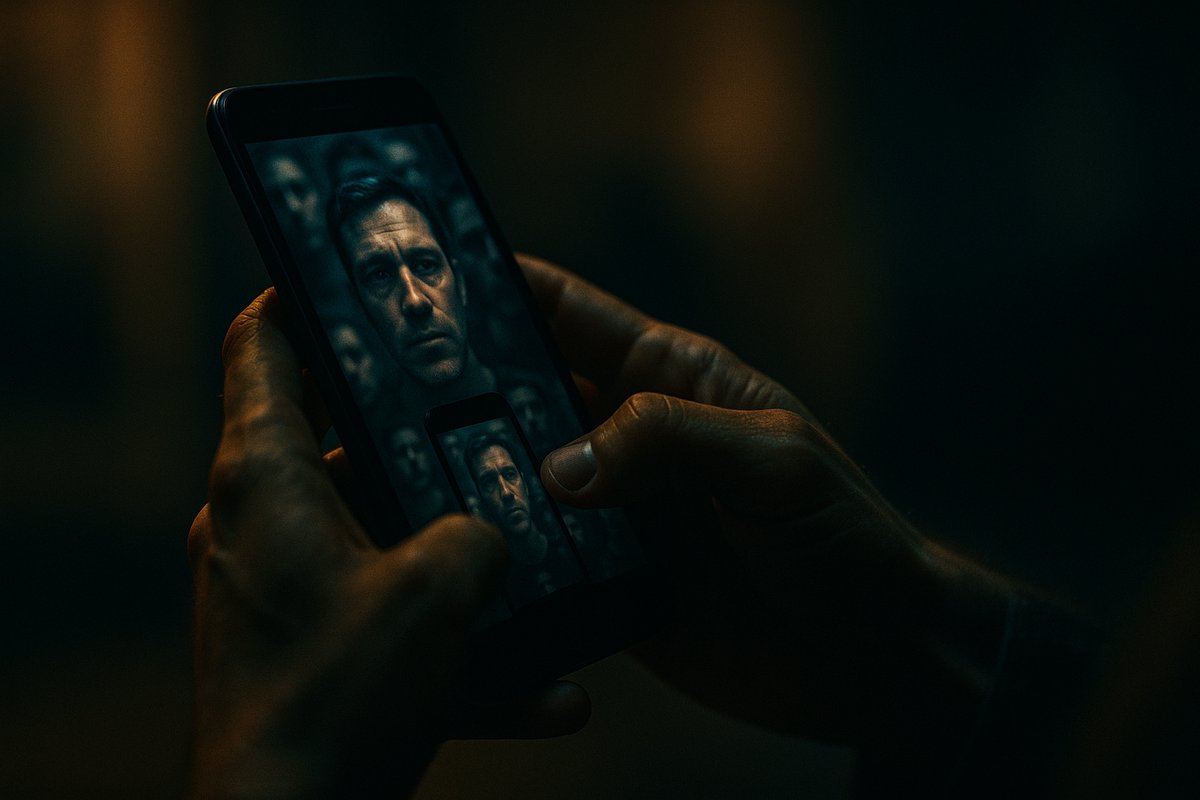
Thirty-nine million TikTok downloads in Mexico during 2025. In a country of one hundred thirty million people, that is not entertainment. It is an X-ray. The device was already operating before proposals about the future of work were seriously debated, before any universal basic income, and before unions adjusted their agenda.
The dominant version of the problem remains Orwellian. Surveillance. Authoritarian control. Big brother watching and steering. That narrative carries decades of cultural weight and correctly points to real concentrations of power. Postman put it more precisely in 1985: the danger doesn't come from what we hate but from what we love. Huxley, not Orwell. Soma instead of the whip. Saturation, not prohibition. Managed pleasure.
This transforms the question itself. If the problem were Orwellian, the answers would be more straightforward: regulatory frameworks, algorithmic transparency, digital rights. Those ideas exist, they are serious, and they have rigorous defenders. But if the problem is Huxleyan, those same measures can be absorbed without altering the flow. A regulation nobody reads because the next video is already loading doesn't change the central dynamic.
The model already works with or without laws. Vitality, Discovery's platform, has spent years designing incentives that reward healthy behavior with points, discounts, and rewards. Fortune included it on its 2025 Change the World list. It operates in twelve countries. Mexico isn't on the list yet, though that seems more a matter of timing than of logic. What it demonstrates is that the Huxleyan approach needs no coercion. It only requires good design. And it already produces measurable behavioral change at scale.
Criticisms arrive from opposite angles. One argues these models amplify existing inequalities: those with better devices, better connectivity, and more free time optimize their scores more effectively. Another, like the one Marc Andreessen puts forward, suggests that worrying about human agency amounts to treating adults like zoo animals who need protection from their own decisions. Both deserve attention. Neither reaches the core.
What none of them asks is whether the model itself, regardless of who has access or who decides, is eroding our collective capacity to imagine different paths. Archaeological findings from late Rome show how bread and circuses kept the population entertained while deeper structures wore away. Two independent vocabularies arrive at the same diagnosis: the encyclical Laudate Deum and paragraphs 170 through 172 of Magnifica Humanitas describe a logic that turns the human being into an object of optimization and replaces care with wellbeing metrics. Traditions separated by centuries converge on the same terrain. That proves nothing definitive. It deserves attention.
Concrete proposals exist. Three deserve serious analysis and have rigorous defenders across different spectrums. What's worth pointing out is why none of them, as currently formulated, touches the central question. This isn't just about what we do with the time freed up by automation, nor about how we redistribute its gains. It's about whether we're still capable of wanting something the algorithm hasn't already anticipated.
That choice is political and collective. It requires sustained disagreement, tolerable discomfort, and boredom that allows for slow thinking. The paradox is clear: the same device that makes this decision urgent weakens the conditions needed to make it.
The unsettling data point is this. In countries with greater smartphone penetration and more than four hours a day on social media, electoral participation among people under thirty-five has not fallen. In several cases it has risen. We are not facing classic apathy. We are facing a form of participation that reproduces the format of the feed, that privileges signaling over deliberation, and that measures engagement in brief interactions. We do participate. Only within the mold the device designed. How far does our actual capacity to step outside it really go?