There's a video by Ingrid Fetell Lee that has surpassed seventeen million views. This designer, who came up through IDEO, asks what produces joy. Sensory joy is that momentary burst that makes the body want to jump because it triggers universal physical responses. Her research reveals common patterns across distinct cultures. Round shapes. Intense colors. Symmetry. A sense of abundance. Lightness that suggests elevation.
Fetell Lee separates two ideas we tend to conflate. Happiness measures how we feel over time. An average. A trend. Joy, on the other hand, is an intense, brief peak. Her central argument holds up. Sensory joy exists all around us. We ignore it because the adult world considers it childish. Too frivolous for people carrying responsibilities.
Fetell Lee's thesis is honest and well constructed. I share it. There's a kind of joy that arrives through the senses from outside, and it deserves deliberate attention. At the same time, another dimension emerges that her work didn't explore. This one surfaces when we see ourselves improving. Nobody stumbles into the satisfaction of running faster than they did last month. Nobody finds it by accident when solving a problem that once seemed impossible.
This joy of improvement is built. It requires repetition, adjustments, and partial failures. It's slow. Sensory joy is instant. It comes from within. The other one is detonated from the environment. The distinction matters more than it seems. Chasing only sensory peaks leaves life decorated but hollow. A room painted in vivid colors produces a flash the moment you walk in. That flash fades. Then you need another stimulus. The joy of improvement, by contrast, accumulates. It doesn't run out.
This connects to what Elizabeth Lambert has pointed out in her work on motivation. Joy lives in anticipation and in sustained effort, not just in the final reward. The process builds something lasting. The reward remains as an image. The daily effort happens almost invisibly, and yet it sustains everything.
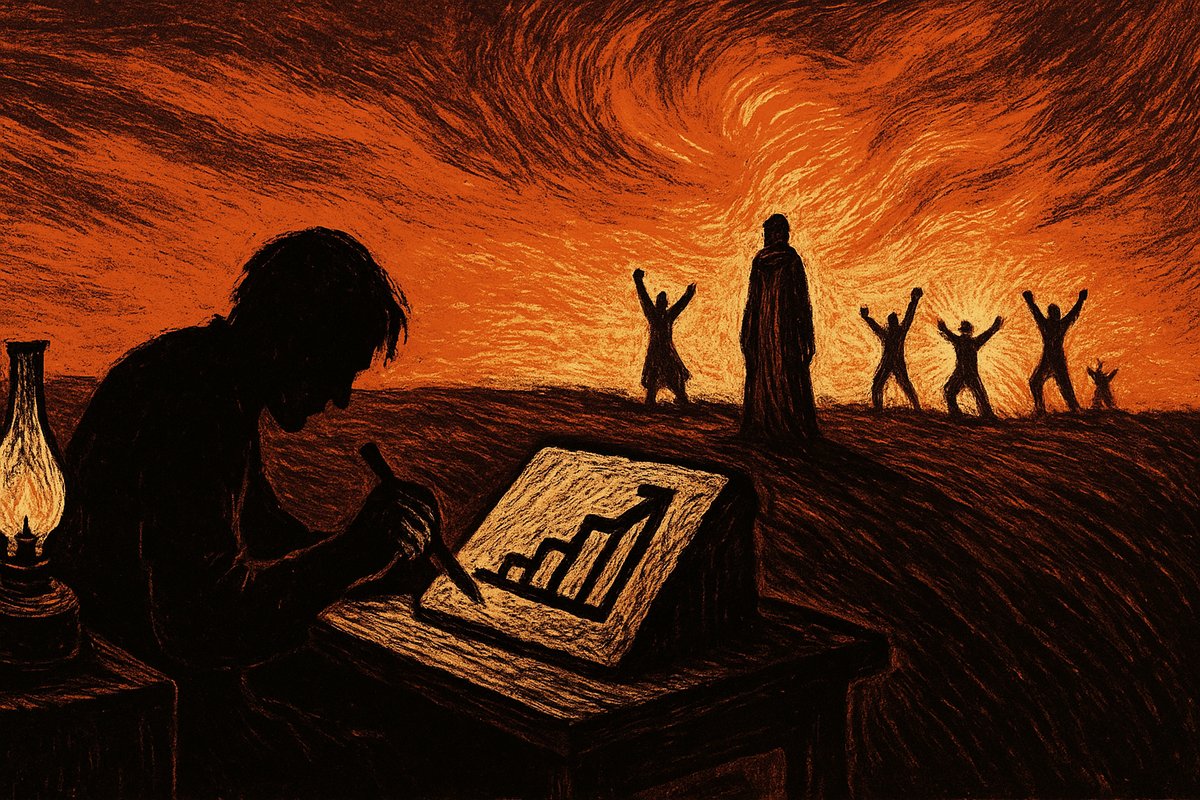
I've observed this same pattern in designs that use experience points and levels. Not because they're magic, but because they make progress legible. The player sees, in a bar or a number, that something has changed. The model simply reflects what already happened. That visibility is the core of the joy I'm describing here. Why can a number on a screen sustain years of effort better than a room full of color? Because the number doesn't decorate anything: it records a real change that the body already felt.
The Generosity in the Doorway explores a similar foundation applied to cooperation. Designs that work without coercion let each person see the benefit of their own effort. A points system I tried out with my daughters lasted three summers. Not out of obligation. It made visible how they were improving. When it had served its purpose, it ended. No need to force it.
The Ludist Manifesto starts from a similar intuition about the path forward. We're here to improve. Levels don't invent that improvement, they just make it legible. I don't claim this framework is the definitive answer. It works as a lens. When a habit, a design, or a relationship shows you clearly that you're better today than you were a month ago, something happens that no color can replicate.
The two joys don't compete. One offers the flash. The other sustains the structure that lets the flash repeat itself. You can have a desk with plants, warm light, and round objects. And still feel that your life isn't moving forward. You can be in a gray room solving something difficult and feel a satisfaction that depends on nothing visual. It comes from recognizing progress that didn't exist yesterday.
Is happiness, understood as that average, something we choose? Largely, yes. It doesn't erase suffering. It's about repeatedly choosing what to notice and what to set aside. Choosing to look at small improvements quietly shifts the average. Archaeological records show that ancient cultures used both intense colors in pottery and rituals that marked personal progress within the group. Two sides of the same coin.
I still don't have a clear sense of how to design entire social structures around this idea beyond the experimental stage. I know it works at small scale. I've seen it in games, in personal habits, and in groups that organize without imposed hierarchy. Extrapolating it to larger institutions is a different problem. I don't want to oversimplify it here.
So the question I'm left with, and that I'm leaving open on purpose, is this: if the joy of seeing ourselves improve is as solid as I suspect, why are most of the systems we live within, work, education, even family, designed to hide improvement instead of showing it?
Sources:
1. Ingrid Fetell Lee, "Where Joy Hides and How to Find It," TED Talk.
2. Ingrid Fetell Lee, Joyful: The Surprising Power of Ordinary Things to Create Extraordinary Happiness.
3. Elizabeth Lambert, talk on motivation, anticipation, and effort in the process of achievement.
4. Yves Laurent, The Generosity in the Doorway (Chapter 17 — Natural Cooperation versus Forced Cooperation).