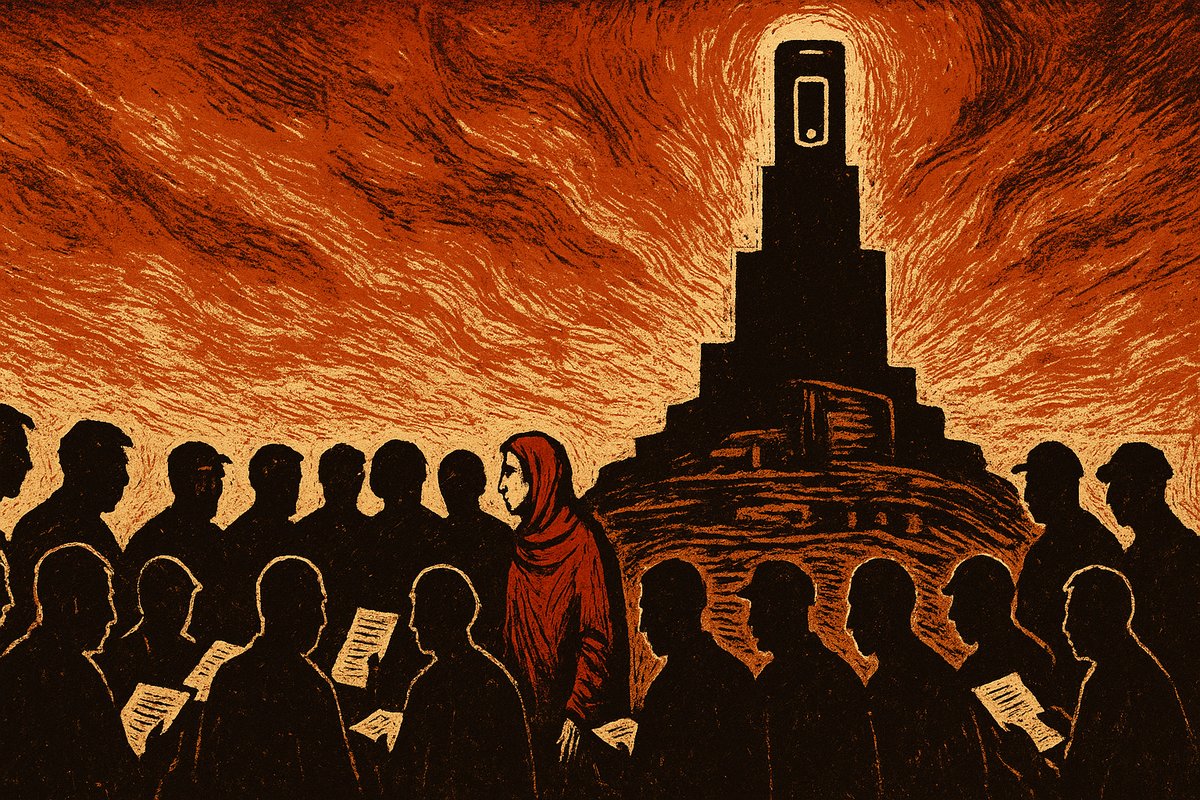
Kenya is building one of the most detailed regulatory frameworks for platform cooperatives in the app-based transport sector. It includes governance requirements, financial transparency, and accountability protocols toward partner drivers. Regulatory capture by omission works like this: the regulator trains its finest attention on the small actor, precisely because its democratic design generates the records that make intervention easier.
Uber and Bolt control most of the Kenyan market. They operate without submitting to equivalent requirements.
That's where the difference shows up, raw and verifiable. The regulator concentrates its most demanding gaze on whoever has less scale and more transparency by design, and lets the one who dominates the board pass through unchecked. This flows from the actual distribution of lobbying power. No conspiracy is needed: it's enough to observe how the resources for litigating and negotiating end up protecting the big players while the visible ones get scrutinized.
The reform proposals documented by analysts and the Platform Cooperativism Consortium remain just that, proposals. In practice, cooperatives trying to compete in Nairobi must build democratic governance, open books, and member voting from day one. Uber keeps its dispatch algorithm, commission structure, and terms of service outside of comparable public audits. The platform that extracts the most value is the one that explains the least about how it does it.
Why does this pattern repeat almost a century later, on another continent, with technology no one could have imagined back then? The answer lies in incentives that never changed: it's simply easier to regulate the small, cooperative, transparent actor than the opaque one with the capacity to resist any serious scrutiny.
In 1930s New York, taxi cooperatives faced more frequent inspections, higher capital requirements, and licensing processes that in practice favored established firms with political connections. The cooperatives were pushed out. The system ended up benefiting exactly those it was supposedly meant to control.
This pattern directly benefits Uber and Bolt: lower compliance costs, greater freedom to set commissions, and the ability to present themselves as already regulated by mere market competition. Regulators get the appearance of regulatory progress without confronting powerful international interests. The consulting firms that draft the reports secure their future role by assessing the cooperatives' compliance.
The language of worker protection through detailed regulation sounds constructive. In practice it entrenches the advantage of those who already dominate. This same dilemma recurs in other regulatory frameworks where the heaviest obligations fall on those with the least room to maneuver.
The same dilemma appears in Stones Don't Lie: the total transparency that made trust possible in Rochdale also made it more legible to any outside intervention. Uber's algorithms, protected as trade secrets, naturally fall outside that reach. The Generosity in the Doorway explores who designs the rules of the automated labor economy. Those who accumulate market power tend to shape the very norms supposedly meant to limit them.
In algorithmic governance systems, open models generate records that anyone can audit, while owners benefit from structural opacity. That visibility, which strengthens internal democracy, unintentionally turns into regulatory vulnerability. I can't quite see how to tip the balance without harming those with the fewest resources.
Any serious reform in Kenya or in other emerging economies would have to start by asking why dominant platforms escape the same level of scrutiny demanded of their cooperative competitors. Until that question is placed at the center, the regulation will keep functioning as a tool of consolidation disguised as protection.
What mechanisms would allow regulation to level the playing field instead of widening the very gap it claims to close?