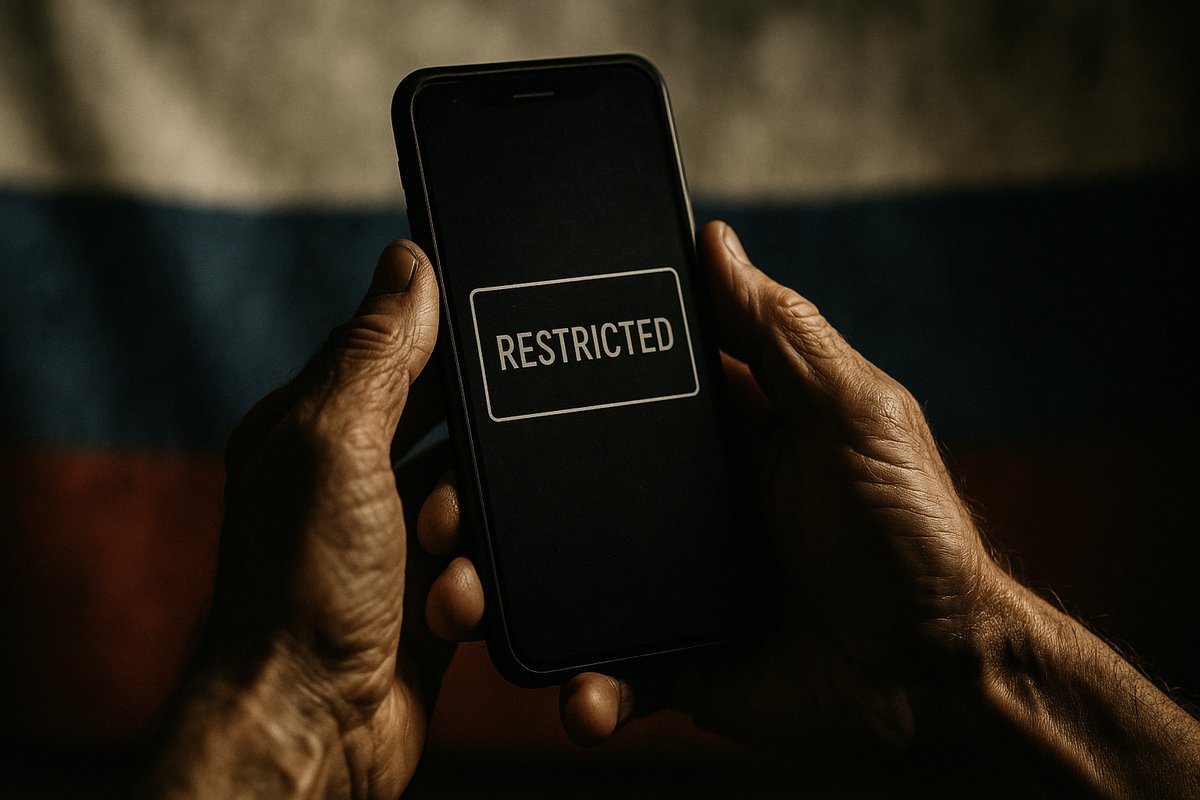
Russia has implemented restrictions on WhatsApp use, a step that forms part of a strategy to steer digital communications toward apps controlled by the state. Platforms like Telegram and VK are emerging as the main options in this new landscape. This approach invites us to reflect on how governments shape the flow of information in the digital age.
I recognize similar patterns in historical contexts where controlling the narrative becomes a priority. Rather than simply criticizing, it's worth considering alternatives that balance privacy and accessibility. China, with its WeChat system under state oversight, offers an example of a closed ecosystem that other countries are watching with interest. This connects directly to themes from the book, where I explore how technology can reinforce power structures or open paths to challenge them.
From a systemic perspective, these moves respond to the need to manage information flows. In my experience, organizations facing similar challenges opt for restrictions, though this often spurs innovation on the part of users. Iran and North Korea have explored variations of this model, creating networks where monitoring is comprehensive. What's interesting here is that, despite the limitations, creative forms of connection emerge that can't be entirely suppressed.
WhatsApp's end-to-end encryption poses a challenge for accessing private data, something that prioritizes secure communication. By promoting local apps, a dependency is fostered that raises the barriers to migrating to other systems. I think about how, in past eras like the Cold War, control over radio and print media was key to maintaining social order. Archaeologists have unearthed evidence of ancient civilizations that guarded centers of knowledge to preserve stability—an echo that resonates in today's debates over data.
Today, apps collect exhaustive data: locations, contacts, and habits—an expanded surveillance that transforms privacy. Who benefits from these policies? The government gains oversight tools, while local companies capture exclusive markets. It's a form of protectionism justified in terms of security. But Russian users face dilemmas: evading restrictions with a VPN carries risks, or adapting means giving up privacy for convenience. I don't have all the answers on how to navigate this, but I see that the complexity calls for shared solutions.
From Mexico, these dynamics resonate because they illustrate global possibilities for digital control. It's not exclusive to Russia; governments around the world are weighing these approaches. What's interesting is that decentralized experiments are emerging—mesh networks and open protocols—that promise more equitable options. A brief detour: I recall how, in indigenous communities here, people have used shortwave radios to communicate without relying on major networks, a simple but powerful lesson in local resilience.
Digital cooperative projects, where communities decide collectively, represent a hopeful path. These platforms avoid domination by corporations or states, fostering active participation. Still in early stages, they require committed users, but they offer real control. I keep exploring these topics, and I believe there's potential for them to grow if collaboration is prioritized.
The Russian case underscores the dangers of concentrating infrastructure in the hands of a few entities. Rather than choosing between tech giants and governments, we can build user-centric alternatives. This demands collective effort, but it opens doors to a more democratic future in communications. I invite you to reflect: what role will we play in this shift?
Stones don't lie, but historians sometimes do.